







Search Results for: light roast clogging
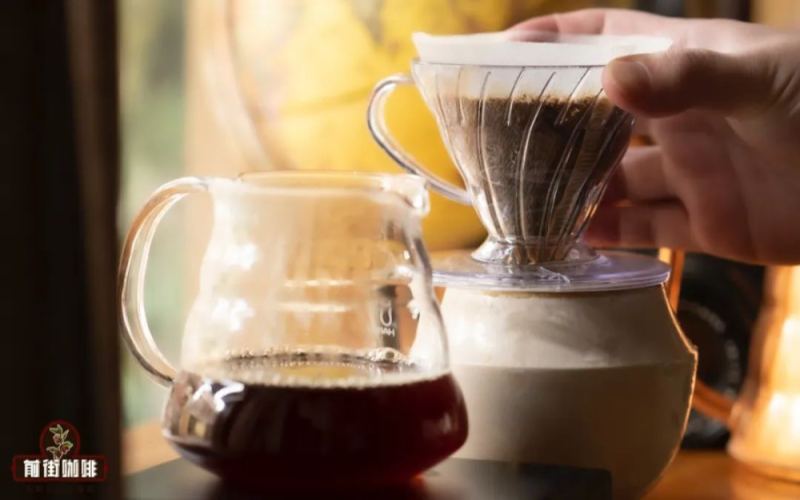
How to Deal with Clogging and Water Pooling in Pour-Over Coffee? Three Key Signals to Watch for When Brewing Light Roast Beans
During pour-over brewing, when fine particles clog the filter and drainage slows down, you often have no choice but to cut off the flow as an emergency measure—but if you're even slightly late, the bitter, over-extracted taste ruins the entire cup. Rather than reacting passively, it's better to anticipate the clog before it happens. Drawing on the characteristics of light-roasted beans, Front Street Coffee shares how to judge whether water will pool during brewing based on three aspects—the degree of expansion during blooming, the foam behavior, and the rate at which the water level drops—and offers corresponding adjustment techniques to help you reduce the negative impact when a clog occurs, while also getting to the true root of the problem. [more…]
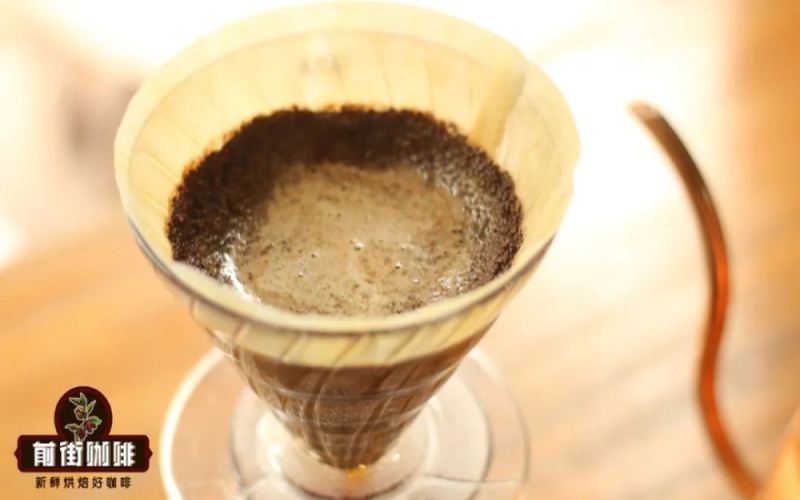
Why Does the Liquid in a Pour-Over Coffee Dripper Become Transparent? Troubleshooting and Solutions for Fine Particle Clogging and Bean Freshness
During a pour-over, if the liquid in the dripper suddenly turns clear and transparent, with no fine particles or foam suspended in it, this is usually not a good sign. This phenomenon often means something has gone wrong with the structure of the coffee bed—either fine particles have clogged the filter paper pores, or the coffee beans have been stored too long and their carbon dioxide has dissipated. Clogging prolongs the extraction time and in all likelihood ends with a bitter, over-extracted cup. This article analyzes the causes of the liquid turning transparent one by one from four angles—grind size, pouring flow, dripper design, and bean freshness—and offers adjustment plans verified by Front Street Coffee in actual brewing, to help you avoid the clogging trap when brewing light-roast beans and achieve consistent flavor. [more…]
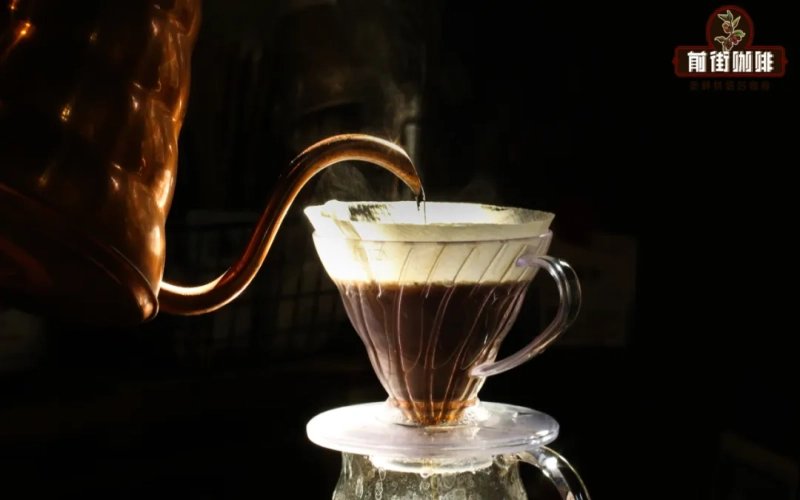
Yirgacheffe Brewing Guide: Flavor Profile, Causes of Light Roast Clogging, and a Four-Pour Practical Method
Yirgacheffe is one of Ethiopia's most recognizable regions, where high altitude and the washed process together shape its classic flavor profile centered on citric acidity, white florals, and a green tea finish. Yet many coffee enthusiasts always run into two problems when brewing: first, the filter paper clogs easily, and second, it is hard to brew that clear, clean "Yirgacheffe taste" they remember. From Front Street's perspective, this article first clarifies the origins of Yirgacheffe's flavor and its regional background, then analyzes the root causes of why light-roasted, high-density beans clog the filter paper and extract unevenly during brewing, and finally uses washed Gudingding as an example to fully demonstrate a practical approach with high water temperature, fine grind, and four small pours, helping you consistently recreate a bright, refreshing cup of Yirgacheffe. [more…]
Cause Analysis of Slow Flow in High-Density Light-Roast Pour-Over Coffee and a Practical Small-Flow Brewing Approach
Many coffee enthusiasts often encounter problems such as slow drainage, weak flavor, or bitterness when brewing high-density light-roast beans. These beans, due to their tight structure, high altitude, or light roast, easily settle and clog in the filter basket, leading to over-extraction or uneven extraction. Starting from Front Street's practical experience, this article analyzes the underlying reasons why high-density beans are difficult to brew and offers two approaches: first, multi-pour brewing, suitable for those not yet skilled at water control; second, a three-pour method with a slow, small stream throughout, better suited to players with some water-control foundation. Using Ethiopia's Geisha Village Red Label as an example, the article details the dose, grind, water temperature, and pouring rhythm to help you brew a great coffee with citrus and berry sweetness and acidity, rose aromatics, and an oolong finish. [more…]
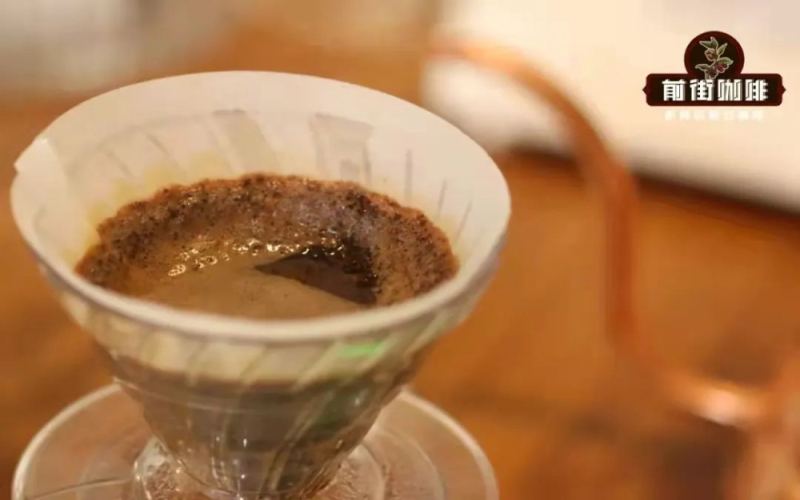
Why Does Pour-Over Panama Geisha Drain Slowly? Analyzing the Causes of Coffee Clogging and Practical Tips to Fix It
Panama Geisha is beloved by coffee enthusiasts for its exquisite floral and fruity aromas, but during pour-over brewing, the flow rate can suddenly slow down or even clog completely, catching you off guard. Drawing on Front Street's practical experience, this article systematically sorts out several common causes of Geisha pour-over clogging, including the characteristics of the coffee beans themselves, grind size selection, the compatibility of filter paper and dripper, and pouring technique, and offers specific, actionable solutions for each situation. Whether you are a beginner just getting to know Geisha or a seasoned brewer hoping to refine your craft, you will find practical methods here to restore a smooth flow and fully release the flavors. [more…]
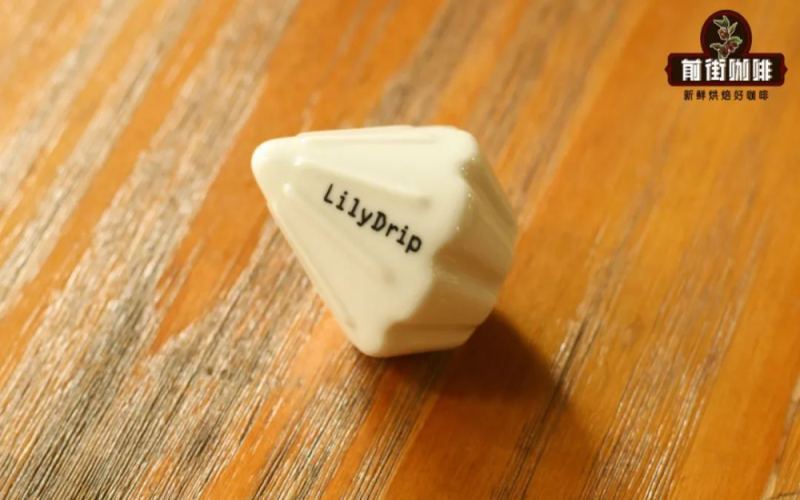
Can Lily Drip really improve coffee extraction? A breakdown of the principle and a practical comparison with V60
A glass bead accidentally fell into the dripper, and unexpectedly became the source of inspiration that changed the coffee extraction landscape. Thus, Lily Drip was born. By dispersing the central coffee bed, it solves the common problems of uneven extraction and clogging-induced over-extraction in conical drippers. This article will start with the origin story of Lily Drip, analyze its working principle, and, using a light-roasted Yirgacheffe Gutingding as the subject, conduct a side-by-side experiment with V60 versus V60 plus Lily Drip, comparing brewing time, flavor performance, and adjustment approaches. If you have also been troubled by clogging and overly long extraction times with light-roasted beans, why not follow along with Front Street Coffee to see whether this little tool is really worth buying. [more…]
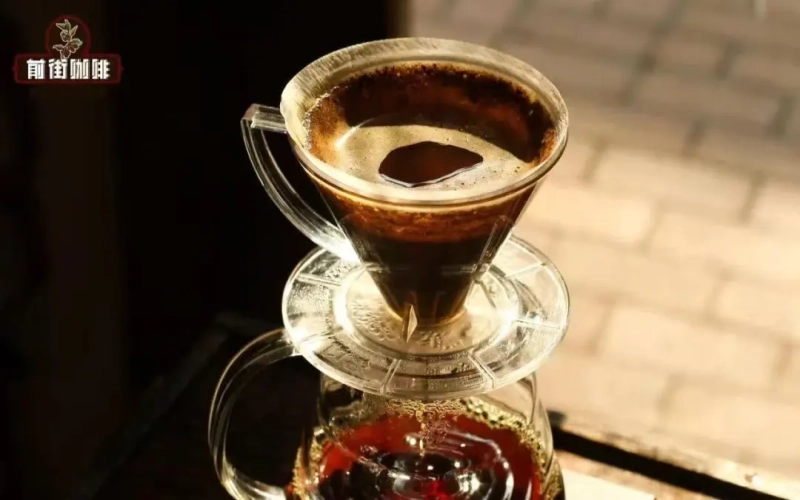
How to Fix Slow Drawdown in Pour-Over Coffee? A Full Analysis of the Three Major Factors: Fines, Agitation, and Bean Density
When brewing pour-over coffee, water failing to drain through the dripper is a problem many enthusiasts encounter. The causes of clogging are not singular—too many fines, overly vigorous agitation, and high bean density can all slow the flow. This article starts from these three common factors, analyzing each cause one by one and offering corresponding ways to improve them—including coarser grinding with a slower extraction, using a sifter, and adjusting pouring technique. At the same time, it will explain that clogging does not necessarily mean over-extraction, and whether to make adjustments should ultimately be based on how the coffee tastes on the palate. Front Street Coffee will share its brewing experience with high-density beans, using the Yirgacheffe Giddingding from its own bean list. [more…]
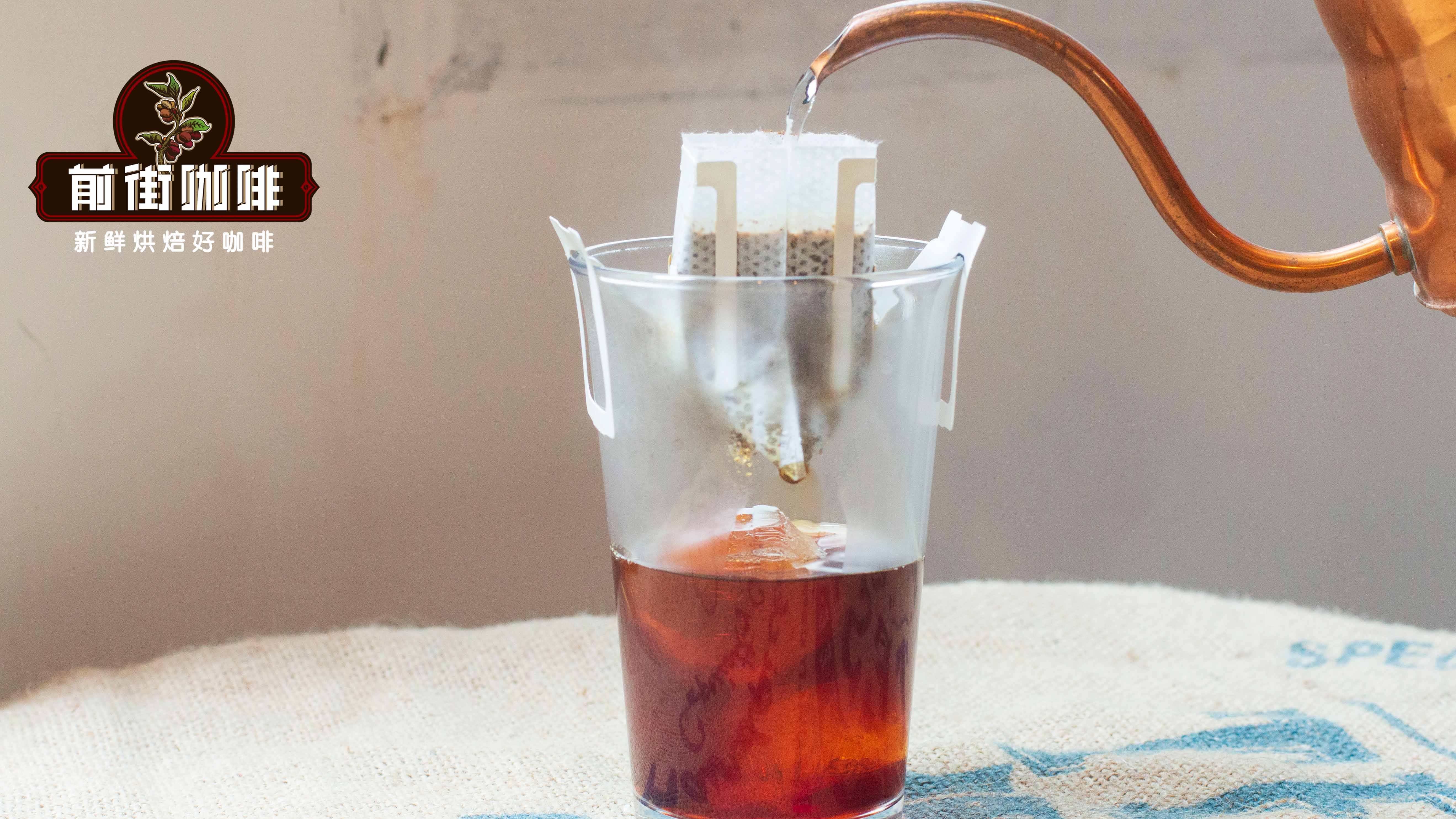
Analysis of the Causes of Slow Draining or Clogging in Drip Bag Coffee and a Detailed Guide to Smooth Brewing Techniques
Drip bags have become a daily choice for many coffee lovers thanks to their convenience, but encountering slow drainage or even complete clogging during brewing is frustrating. Even when you follow the steps, the hot water lingers in the filter bag for a long time, and the coffee grounds soak at the bottom, which both affects the taste and causes waste. This article will systematically analyze the causes of drip bag clogging from four dimensions—filter material, pouring technique, grind size, and shaking habits—and, combined with Front Street Coffee's hands-on testing experience, provide targeted solutions and brewing suggestions to help you consistently brew a clean and delicious cup at home. [more…]
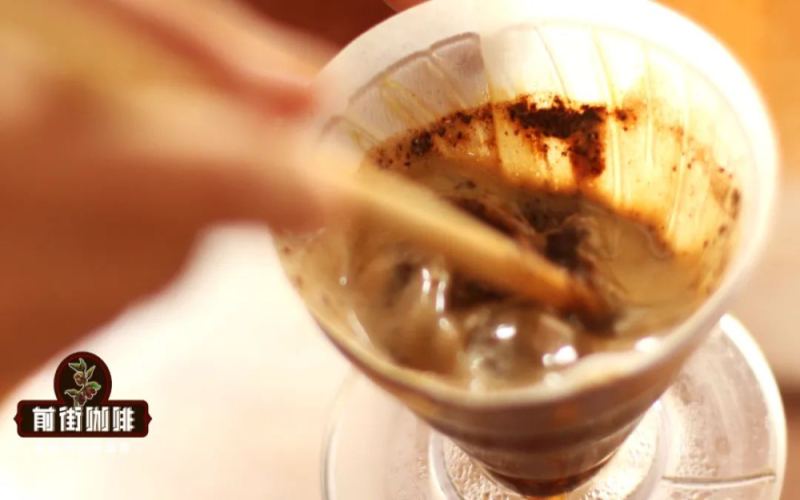
How Should You Adjust Parameters for the "Egg-Whisking" Style Pour-Over? Front Street Coffee Breaks Down Three Rounds of Testing to Explain the Boost in Sweetness and What Causes Clogging
Pour-over coffee brewing methods are endless, and recently a technique called the "egg-beating brewing method," a stirred extraction approach, has made a comeback, reportedly able to significantly boost coffee's sweetness. Front Street, driven by curiosity, conducted three rounds of comparative experiments: starting with a light-to-medium roast natural-process bean without blooming, then switching beans and adjusting the coffee-to-water ratio, and finally reintroducing the blooming step, to verify this technique's actual effects and problems one by one. The article meticulously records each round's brewing parameters, techniques, and flavor performance, and analyzes how grind size, water temperature, coffee-to-water ratio, and blooming affect the final cup's taste. If you also want to try this novel stirred extraction, or are looking for brewing ideas to enhance sweetness, this hands-on record will provide concrete references. [more…]
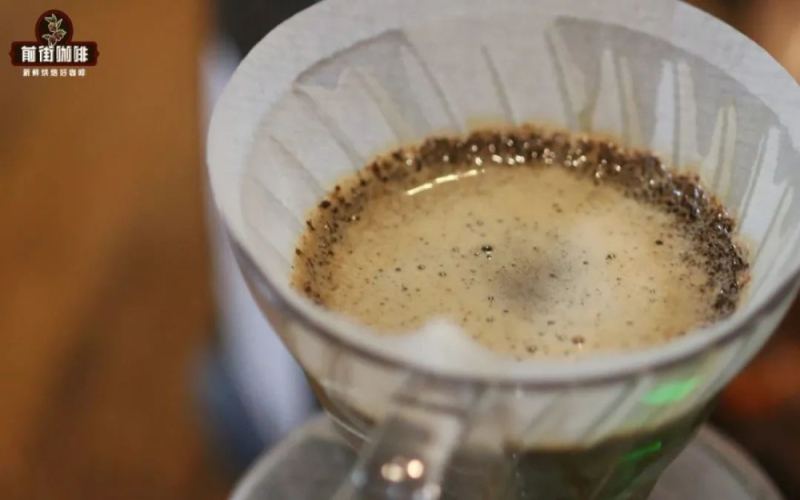
Three key time points for judging whether water accumulation will occur during the pour-over brewing process
One of the most frustrating problems in pour-over coffee is water pooling. Once clogging occurs in the final stage of brewing, the coffee's flavor often turns bitter and undrinkable. In fact, before the pouring is finished, there are several time windows where you can predict in advance whether pooling will happen. As long as you master these judgment methods, you can adjust your pouring strategy in time and avoid ending up in a passive position. This article will focus on three key time points—the degree of bloom expansion, the foam performance during pouring after the bloom, and the speed at which the water level drops before the final pour—to explain one by one how to identify the risk of pooling and give corresponding countermeasures. It will also introduce the ultimate solution when all methods fail—flow cutoff—and how to deal with the problems of overly high coffee concentration and missing flavor after flow cutoff. [more…]
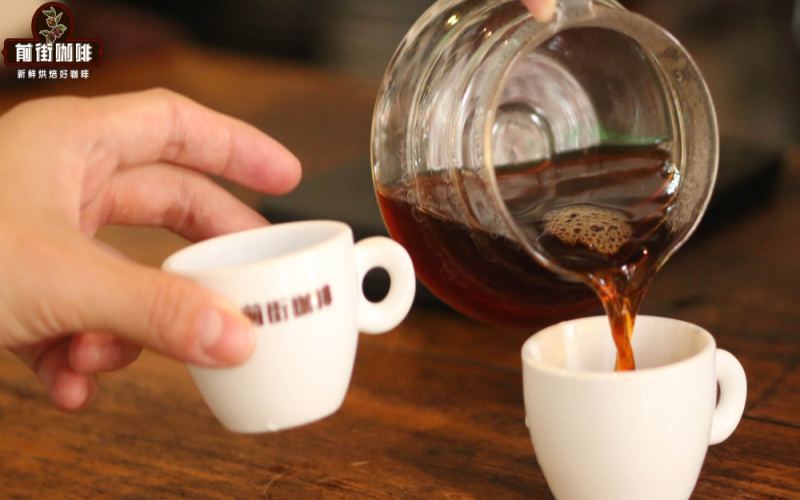
Kenyan Coffee Flavor Analysis and Pour-Over Parameter Guide: Light vs. Dark Roast Differences and Front Street Brewing Recommendations
Kenyan coffee, with its bright and full-bodied acidity at light roast and its dark-chocolate-like rich, sweet finish at dark roast, has become one of the few origins that shines at both roast levels. Front Street Coffee Kenya beans are relatively hard and well suited to pour-over extraction, but care must be taken to avoid the coffee bed sinking and clogging the drainage holes. This article breaks down in detail, from grinding, water temperature, coffee-to-water ratio and dose to the three-pour technique, how to use a water temperature of 93°C, a 1:16 coffee-to-water ratio and segmented circular pouring to highlight the cherry tomato aroma and dried plum acidity, allowing the coffee's solid body and translucent sweet-tartness to come through fully. [more…]
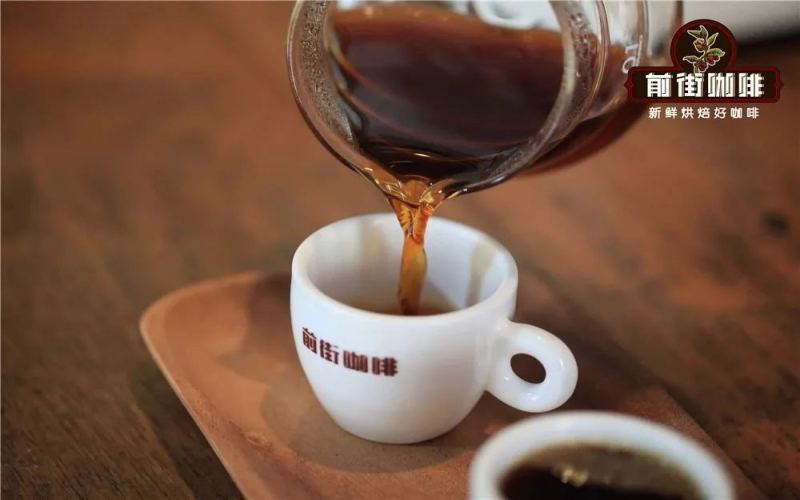
The Complete Guide to Pour-Over Light Roast Coffee: Solve the Slow Flow and Water Pooling Problem, Easily Brew Sweet Flavors
Light roast coffee beans are beloved for their bright floral and fruity aromas, but many enthusiasts often run into slow flow rates and easy pooling when brewing pour-over at home, ultimately extracting nothing but a monotonous sour taste. This actually has a lot to do with the physical structure of light roast beans: with a light roast level, the bean body is dense, the carbon dioxide content is low, and both water absorption and degassing capacity are weak, causing fines to easily settle and clog the dripper. This article will take a deep dive into the difficulties of pour-over brewing with light roast beans, and drawing on Front Street Coffee's brewing experience, share how to effectively enhance the sweetness and complexity of coffee by adjusting water temperature, pouring technique, and staged extraction, so you can consistently brew a well-balanced cup with both acidity and sweetness at home. [more…]
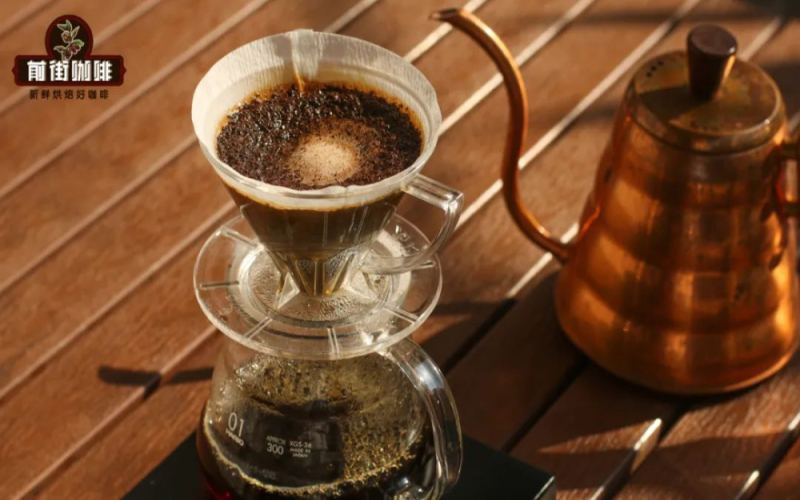
Why does the same grinder setting produce grounds of different sizes? Analyzing the link between coffee bean brittleness and density
On the same grinder at the same setting, why does switching to a different coffee bean produce noticeably different grind sizes? This actually comes down to two core physical properties of coffee beans—density and brittleness. Density is determined by growing altitude: the higher the altitude and the slower the growth, the harder the bean and the fuller the flavor. Brittleness, on the other hand, is directly tied to roast level: the darker the roast and the more moisture is driven off, the looser the structure and the easier the bean is to crush. Starting from actual experiments at Front Street, this article uses a comparison of the sieve-passing rates of dark-roasted Mandheling and light-roasted Yirgacheffe to explain why grind consistency breaks down, and how that leads to clogged filter paper and over-extraction problems. [more…]
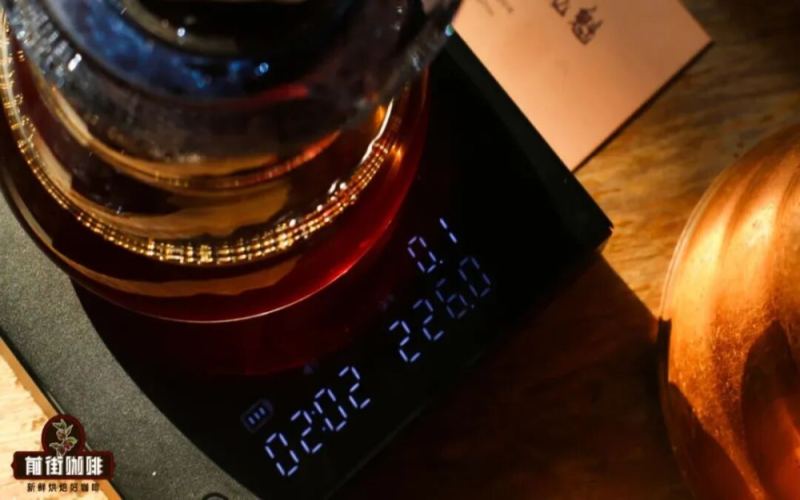
How to Keep Pour-Over Coffee Extraction Time Stable at 2 Minutes? A Practical Adjustment Guide for Dark and Light Roasts
In pour-over coffee, brew time is not an actively controllable parameter, but rather a mirror that reflects whether grind size, coffee-to-water ratio, pouring technique, and dripper choice are in harmony. Many tutorials treat 2 minutes as the ideal checkpoint, but beans of different roast levels offer noticeably different resistance to hot water penetration—dark roasts flow quickly, while light roasts tend to clog, so the time naturally fluctuates. Front Street Coffee uses two beans—Colombia Huila and Ethiopia Sidamo Hamasho—to demonstrate the pouring rhythm, staged strategies, and flow-rate correction methods for dark and light roasts respectively, helping beginners keep brew time within a reasonable range and understand the direction of adjustment behind the time feedback. [more…]
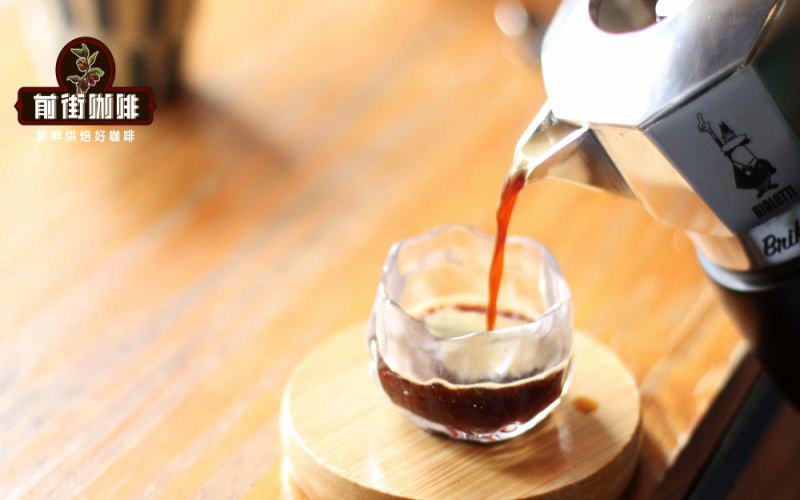
The Complete Moka Pot Brewing Guide: From Principles to Practice, Solving the Problems of No Extraction and Unbalanced Flavor
As an important carrier of Italian coffee culture, the moka pot is deeply favored by enthusiasts for its retro design and rich flavor. However, many people encounter problems such as no liquid output, splashing, or burnt bitterness when using it. This article starts from the historical origins and working principles of the moka pot, provides a detailed analysis of how the dual-valve structure affects extraction, and shares the complete brewing steps for Front Street Strawberry Candy espresso blend. At the same time, it offers practical advice on common pain points such as clogging, grind size selection, and cleaning and maintenance, helping you consistently make a cup of moka pot coffee at home with abundant crema and a solid flavor. [more…]
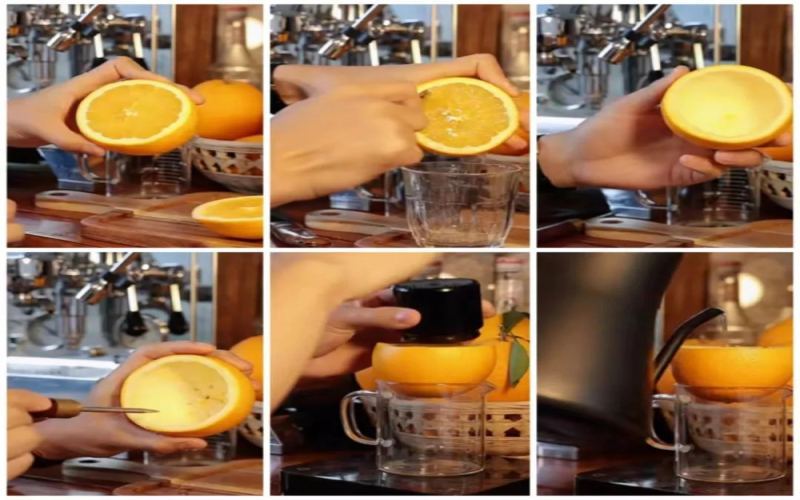
The Three Evolutions of Orange Peel Pour-Over Coffee: From Fails to Advanced Techniques and Front Street Recommendations
In winter, Gannan navel oranges flood the market. Instead of tossing the peels, they can become a fun tool for pour-over coffee. This article walks you through the evolution of orange peel pour-over from version 1.0 to 3.0, showing how netizens solved clogging and fine grounds issues, and tried fruit drippers like watermelon and mango. Meanwhile, Front Street Coffee recommends beans that pair well with fruity flavors, so you can enjoy a layered pour-over while exploring fruit-infused enhancements. [more…]
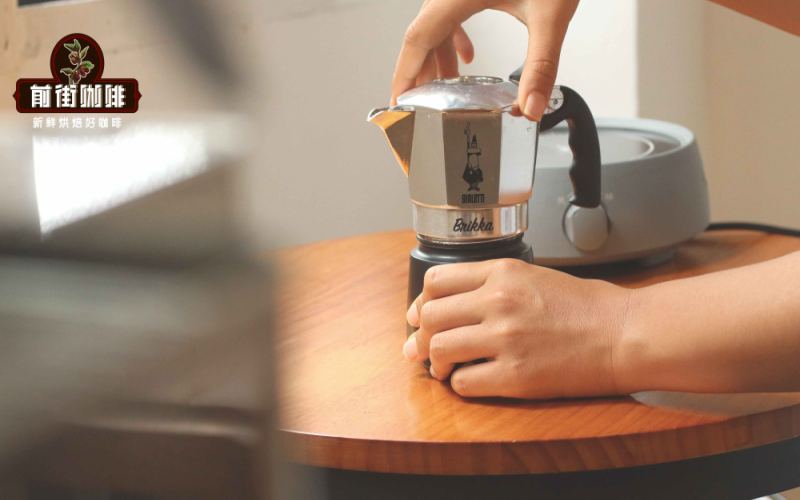
How Long Does It Take to Brew Coffee with a Moka Pot? When Is the Right Time to Turn Off the Heat? A Complete Guide to the Key Steps
The moka pot, with its simple structure and pressure-enhanced extraction method, can produce rich, crema-topped coffee under ordinary home conditions. But how long to brew and when to turn off the heat often confuse beginners. This article starts with the working principle of the moka pot, explains the difference between single-valve and double-valve models, recommends suitable medium-dark roasted beans and specific products, and step by step breaks down the details of adding water to the lower chamber, grind size, filling the filter basket, heating, and judging when to turn off the heat, while also reminding you of precautions such as the safety valve, clogging, and cleaning, to help you consistently extract an ideal cup in three to four minutes. [more…]
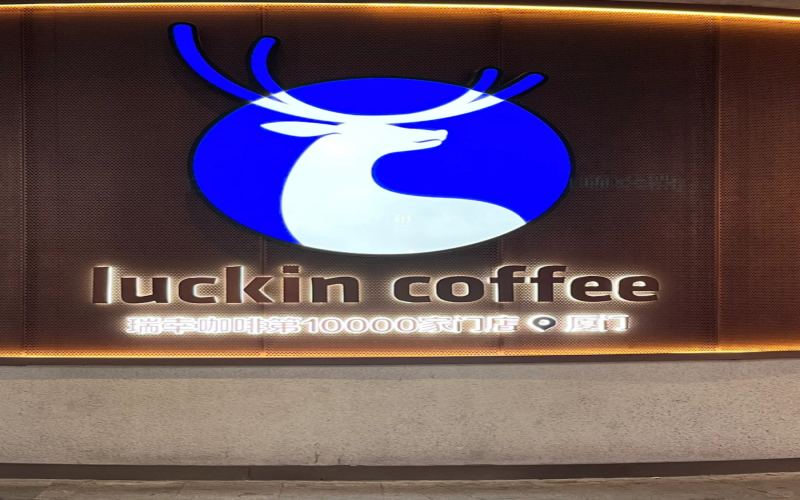
Luckin's first flagship store launches pour-over coffee, machine-made brew sparks debate: can the specialty coffee route succeed?
As its store count surpasses ten thousand, Luckin Coffee opens its first flagship store and introduces pour-over coffee for the first time, attempting to break the established impression of a low-price chain at 9.9 yuan. However, a netizen's real-shot video shows that this cup of pour-over was made by a machine simulating a champion's brewing technique, taking about 3 minutes in total, with ten pours of water at 88 degrees, and a clogged bed occurred midway without intervention; the result was criticized for being pale in color and bland in flavor, triggering the question, "Can something brewed by a machine even be called pour-over?" Supporters believe that the 20-yuan price is already acceptable, and lightly roasted beans are naturally mild. Behind this controversy is not only a microcosm of Luckin's tentative move toward specialty coffee, but also a reflection of the boundary dispute between "human" and "machine" in pour-over coffee. [more…]
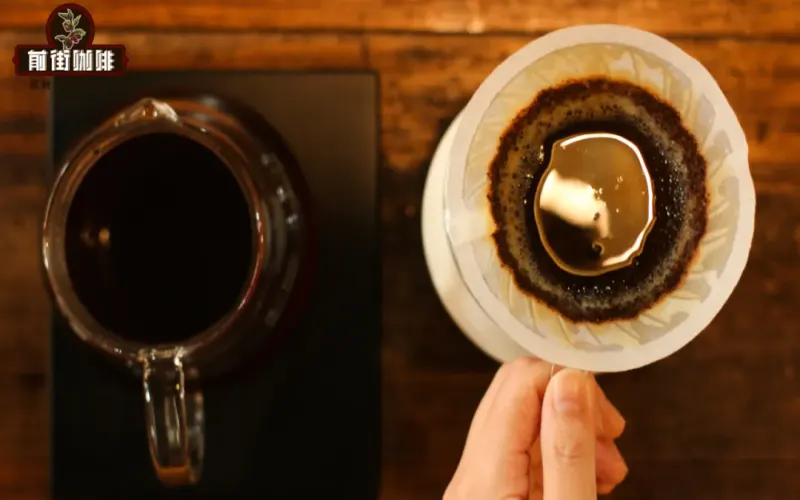
A Complete Guide to Bypass Brewing in Pour-Over Coffee: The Difference Between Coffee-to-Water Ratio and Coffee-to-Beverage Ratio, and When to Use Bypass Correctly
In the practice of pour-over coffee, "cutting off" the brew is a technique that is often mentioned. Many enthusiasts believe that the tail-end coffee liquid carries bitterness, and so habitually remove this portion at the end of brewing. However, cutting off the brew is not a universal key—improper use can instead destroy the coffee's complete flavor. From the perspective of Front Street, this article takes a deep dive into the dissolution patterns of bitter substances, explains why the tail end does not produce negative flavors under reasonable parameters, and distinguishes in detail between the two concepts of coffee-to-water ratio and coffee-to-liquid ratio, while also sorting out the two scenarios in which cutting off the brew truly applies—actively incorporating the cutoff into the brewing framework, and being forced to cut off due to clogging. By understanding these principles, coffee enthusiasts can use the cutoff more scientifically and improve their brewing quality. [more…]
Light Roast Pour-Over Always Pools Water? Understanding the Relationship Between Density, Expansion, and Grind — and How to Fix It
Many coffee enthusiasts encounter a tricky problem when brewing light-roasted beans: near the end of the pour, the water level drops slowly, and a layer of water sits in the dripper that just won't finish draining. If you keep waiting, you risk over-extraction and bitterness; if you don't, you worry the flavor won't be complete. What was once a relaxing pour-over suddenly becomes stressful. In fact, water stalling with light-roasted beans isn't a problem with the beans themselves—it's the combined result of density, expansion, and grind size. This article breaks down the causes of stalling from these three angles and offers three actionable solutions: simply discarding the final phase of the pour, coarsening the grind while using higher temperatures and agitation, and sifting out ultrafines for reuse. Understanding the logic behind it matters more than memorizing parameters—next time you run into stalling, you can judge from the flavor whether adjustment is needed. Front Street Coffee also often advises: taste first, then adjust—don't rush to blame the beans. [more…]